
Custom Polo Shirts for Business Uniforms in 2026: Fit, Fabric, and Branding
Choose custom polos your team will wear daily. Compare pique vs jersey, fit profiles, embroidery vs print, and a practical ordering checklist.
A good custom polo is the quiet workhorse of branded apparel. It handles everything from front desks and trade show floors to field service calls without looking like a casual graphic tee.
If you're mapping out staff uniforms, company polos, or team gear, you’ll want a shirt people will want to wear every week. Here is how to nail down the fabric, fit, and branding so your uniform program feels intentional right out of the gate.
1. Why Polos Beat Tees for Business Uniforms
Polos hit that sweet spot in the middle: they're sharper than a standard crewneck, trendier than a button-down, and make branding look professional both in person and on camera.
- Front desk & retail: Clean, polished, and client-facing.
- Field & service crews: Durable and neat without feeling restricted.
- Managers & event staff: Gives your team a unified and professional look that steps well above a basic event tee.
For decoration method tradeoffs across uniforms, our embroidery vs printing guide for uniforms and workwear pairs well with the blank decisions below.
2. Choosing Your Fabric: Pique, Jersey, or Performance
Fabric weight and material matter just as much for a polo as they do for a standard tee. Pick the knit that matches your team's day-to-day work environment:
- Pique (The Classic): That traditional textured knit is the corporate go-to. It hides light wrinkling better than flat jersey, looks like a proper uniform, and holds embroidery extremely well.
- Jersey & Interlock (The Soft Option): Features a smoother face and a softer, more casual retail feel. Great when comfort is priority number one and your branding stays relatively clean. Works well with DTF prints or heat applied silicone patches.
- Performance / Moisture-Wicking (The Active Pick): Made from polyester or poly-rich knits—essential for outdoor, warehouse, or high-movement teams. Just keep in mind that poly behaves differently than cotton under heat, ink systems, and embroidery… so check decoration compatibility early!
Fabric weight and fiber still matter even when the silhouette is a polo. For broader blank literacy (GSM, cotton types, blends), see our custom t-shirt blank fabric guide.
3. Fitment Options That Keep People Wearing Them
A good-looking polo fails when the fitment fights the body. Skip vague sizing and give your team clear fit options based on how they perform their duties and work:
| Fit Style | Best For | Watch-Outs |
|---|---|---|
| Classic / Traditional | Mixed ages, conservative brand guidelines | Can feel boxy on slimmer body types |
| Modern / Tailored | Client-facing teams wanting a sharp, clean look | Less forgiving; collect accurate individual sizes |
| Relaxed | Field work, warehouses, and all-day movement | Branding can sit differently on a wider chest, so double check logo placement |
| Women's Specific Cuts | Teams that want a cohesive appearance across all staff | Never think a "small men's" shirt will work for women’s sizing |
Tip: share the manufacturer's actual size chart for exact tailored fitments! For audience-based quantity planning, use our custom t-shirt size run and size chart guide and adapt the same discipline to polos.
4. Branding That Looks Intentional
- Left Chest Embroidery (The Default): A 3.5in – 4in width is the corporate standard for a reason—it looks professional without screaming for attention. Keep lettering large enough to read from a normal distance and always approve a physical sew-out if it's a brand-new logo or a new shirt material.
- When to Print: Screen printing or DTF can work well for larger graphics, sleeve hits, or short-run color work on casual companion tees. For standard polos, stick to embroidery on the chest for durability and a high-end professional. DTF or screen printing can combo well on the back or sleeve.
5. Your Uniform Ordering Checklist
- Lock down the basics: Define who the shirts are for, choose your exact blank (brand, style, and color), and default to left-chest embroidery.
- Nail the details: Collect individual sizes using the manufacturer's size chart, set a hard deadline, and always approve a physical sew-out or proof on the actual garment.
- Plan for the long haul: Standardize a single SKU for each item across all locations so your re-orders stay consistent, then share basic washing guidelines with the staff so the fabric and logos survive over time.
Bottom Line
A properly decorated and fitted polo makes workwear feel like part of the job and not a tacky costume. When the fabric, fit, and branding all line up, your team looks cohesive and your logo earns real-world impressions every single day.
Got a uniform rollout or staff refresh coming up? Send us your headcount, color preferences, and logo files from our homepage. We’ll help you lock in the right blanks, decoration method, and size plan for your crew to get them feeling and looking their best.
Shop the look
Recommended Products
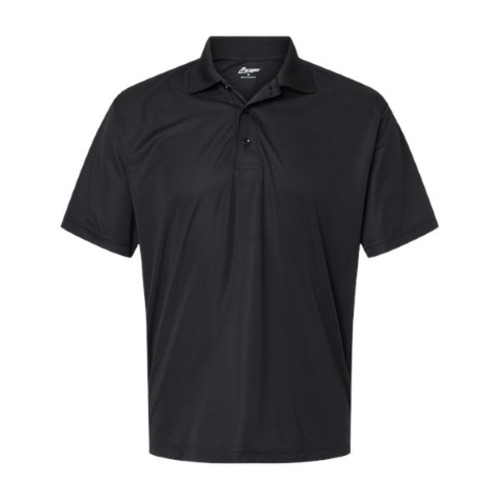 PolosSebring Performance PoloSnag-resistant performance polo built for staff uniforms and client-facing days.Shop now →
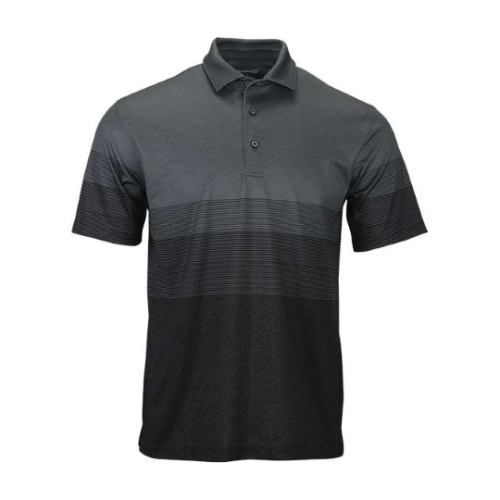 PolosBelmont Sublimated PoloHeathered performance polo that pairs well with sublimation and full-color branding.Shop now →
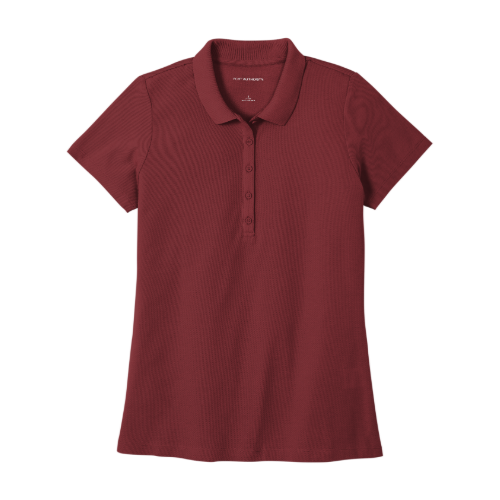 WomensPort Authority Ladies SuperProPolished women’s polo for mixed-gender uniform programs and bridal-party staff looks.Shop now →