
Custom T-Shirt Size Runs in 2026: Size Charts, Formulas, and Fewer Leftovers
Plan custom shirt size runs that fit real people: size chart tips, quantity formulas by audience, buffers, and how to collect sizes without chaos.
Nothing ruins a great custom shirt order faster than bad sizing. You can pick an ultra-soft blank and lay down a great print, but if half the batch ends up trapped in a supply closet because someone guessed the sizes from memory… the whole project takes a hit.
If you’re trying to figure out how many of each size to order without drowning in leftovers, you’ll need a realistic and repeatable system. Here’s how to read actual specs, dial in formulas by audience, and collect headcounts without losing your mind in a group chat.
1. Ditch the Letter Labels and Check the Specs
Small, Medium, and Large mean completely different things depending on the shirt. A Large on a slim-fit fashion tee can easily fit like a Medium on a heavyweight and boxy blank. Before you send out a single signup link:
- Lock the exact blank first: Nail down the specific brand, style number, and color before figuring out sizing.
- Share the real chest/length measurements: Send a screenshot or link of the manufacturer’s sizing chart out and avoid guessing on size limits.
- State the cut clearly: Tell people up front whether the shirt fits true to size, runs slim, or has an oversized streetwear shoulder drop.
- Separate your cuts: Never treat a youth Large like an adult Small, and don't dump fitted women’s cuts into a unisex chart without making note.
Quick sizing tip to give your crew: If someone isn't sure of their size, have them grab their favorite-fitting tee at home, measure it flat from armpit to armpit, and match that number to the manufacturer spec sheet.
If fit and fabric are still undecided, pause and use our picking apparel your team will actually wear checklist first. Size math on the wrong blank wastes money twice.
2. Size-Run Starting Points by Audience
If you can’t get exact headcounts and must estimate, tailor your breakdown to who is actually wearing the shirts. These baseline percentages beat blind guessing every time:
- Office & Corporate Teams: Tends to center heavily around Medium and Large. A standard adult starter mix looks roughly like: XS: 3% | S: 12% | M: 26% | L: 30% | XL: 18% | 2XL: 8% | 3XL+: 3%.
- Trades, Field & Warehouse Crews: Sizing trends to noticeably broader and larger fits. Bump your allocation heavily toward Large through 3XL, and make sure extended sizes are available early so nobody feels excluded.
- School & Youth Sports: Keep youth and adult counts separate, an adult Small is not a children’s Large. For team rosters, collect exact sizes directly; for spirit wear, stick to preorders instead of guessing attendance counts. School organizers can pair this with our school spirit wear and sports team ordering playbook.
- Brand Drops & Merch: Past sales numbers are king here. If it's your first drop, bias toward Medium and Large with moderate runs of Small and XL/2XL, or run a limited preorder window to remove inventory risk entirely.
For multi-generation events like reunions and picnics, adult demand often concentrates in Medium through XL with meaningful 2XL–3XL needs, and youth still needs its own chart. See our family reunion and event t-shirt ordering guide for headcount buffers.
3. Order Strategy: Preorders vs. Buffering
| Strategy | When to Run It | What to Watch Out For |
|---|---|---|
| Hard Preorder | Tight budgets where you can't afford dead stock | Requires a hard deadline and zero mercy for stragglers |
| RSVP + Buffer | Events where attendance count floats slightly | Only buffer middle sizes (M–XL) by 5–10%; don't overbuy extremes |
| Historical Data | Annual events or reorders using the same blanks | Make sure the blank brand or cut hasn't changed since last year |
Pro tip on buffers: If you need safety margin for last-minute additions, add an extra 5% to 10% strictly across your core sizes (Medium, Large, and XL). Stocking extra edge sizes "just in case" is usually how leftover boxes happen.
4. Keep Sizing Inclusive and Friction-Free
Nothing kills team hype faster than stopping size runs at XL or quietly swapping someone's cut without asking.
- Always offer sizing through at least 2XL (and ideally 3XL+) on standard team orders.
- Collect extended sizing early so you aren't scrambling for last minute blanks during print production.
- If you’re offering both unisex and tailored women's blanks, make that distinct on your form so wearers can choose the silhouette they prefer.
5. Three Rules to Avoid Costly Sizing Blunders
- Lock down the blank before collecting sizes: Switching from a retail tri-blend to a heavy cotton tee mid-order makes everyone's selected size wrong.
- Hard-close sizes before the press runs: Last-minute size swaps while garments are already being prepped or printed lead to rush fees, misprints, and headaches.
- Grab a sample set for large programs: If you’re outfitting a massive corporate or field crew for the long haul, order a blank sizing run once so people can physically check their fit before you pull the trigger on hundreds of units.
The best custom tees are the ones people continuously pull out of their closet and wear every week. Getting the size run right protects your budget, eliminates leftover waste, and makes sure everyone on the team gets a shirt that actually fits.
Getting ready to map out a run for your crew? Send over your headcount, preferred blank style, and target timeline from our homepage so we can help you dial in a solid size breakdown before anything hits the press.
Shop the look
Recommended Products
- Product imageBasic teesNext Level CVC TeeLightweight CVC tee that works for digital prints, screen, and bulk reorders.Shop now →
- Product imageBasic teesAllmade Tri-Blend TeeSoft retail-feel blank that prints clean for teams, events, and everyday merch.Shop now →
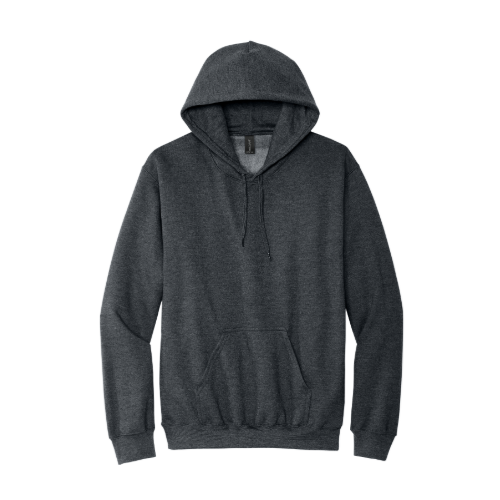 HoodiesGildan Softstyle HoodieMidweight soft hoodie people actually keep — ideal for swag kits and creator drops.Shop now →